Hydrofracking
High-pressure water injection that opens up the bedrock fractures feeding your well — often the fix for a low-yield or declining well.
Well cleaning is work on the well itself, not on the water inside the house. HydroWells cleans and redevelops existing wells across Central Maryland. We take calls around the clock at (301) 393-7090. Across Maryland, iron and manganese are the most common groundwater quality problems. In a well they leave deposits behind. Those deposits, along with scale and fine sediment, coat the casing and the fractures that feed it. The openings slowly close up. You see it at the tap. Water turns rusty. The sediment filter clogs fast. The pump brings up less than it used to.
Every cleaning job starts with the well record and the way the well behaves now. Maryland drillers file a well completion report within 45 days of finishing a well. That record gives us depth, casing and how the well was built. Next we check flow and pressure, because the trouble is sometimes the pump instead of the well. Whatever is clogging a well usually clings to the pump and the drop pipe. The pump comes out on our hoist when the casing has to be open. We look it over on the ground, and well pump repair and replacement follows if it is worn. With the casing clear, the cleaning starts.
Tell us about your project — we’ll get right back to you.
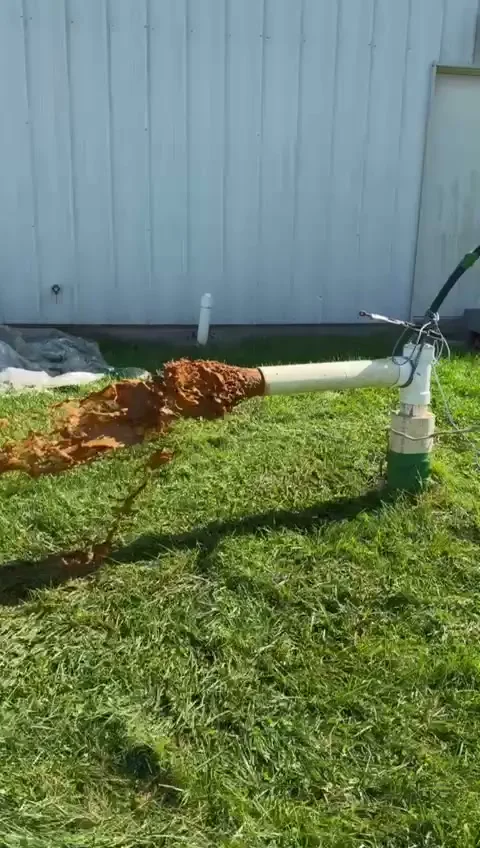
Three mechanical methods do most of the work, and we pick them off what the well needs. Airlifting pushes compressed air down the well, and the rising air lifts the water column and sediment out. Surging moves water back and forth through the open rock or the screen. That breaks deposits loose so they can be pumped out. High-pressure jetting works like a pressure washer down the hole. A jetting tool sprays the casing wall and the water-bearing zone and knocks the crust off. Then we flush the well until the water runs clear.
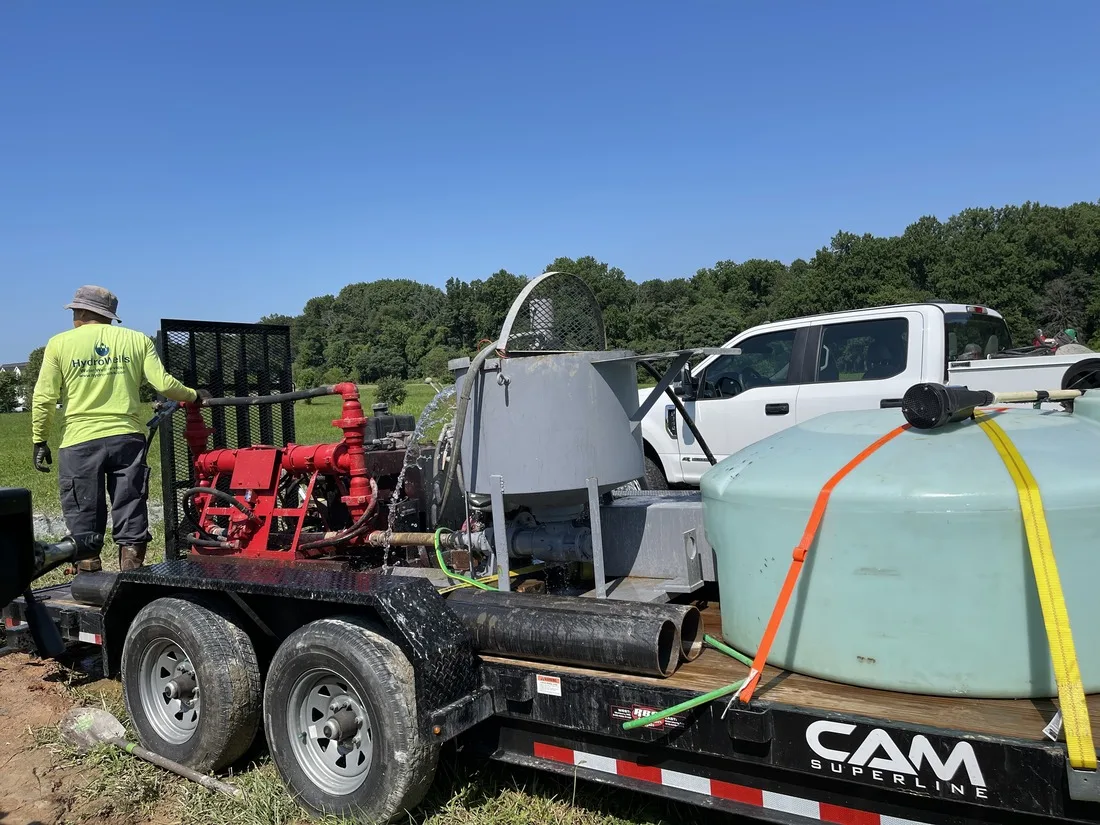
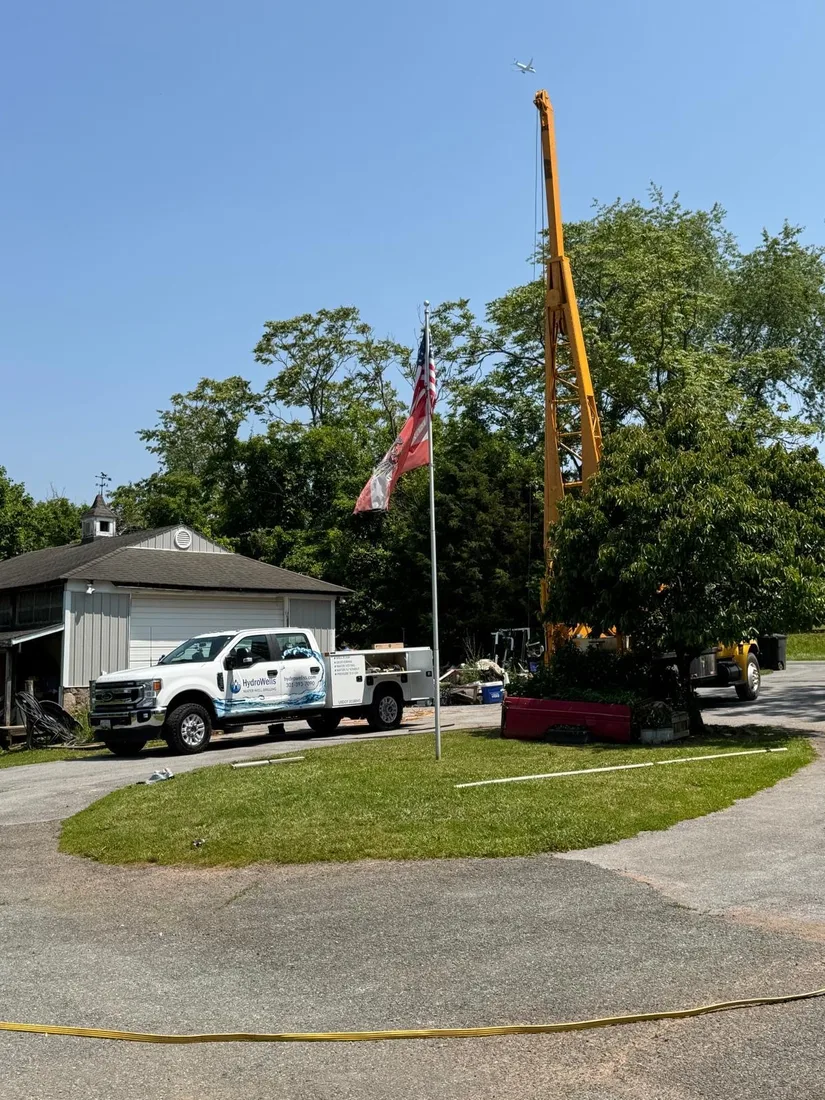
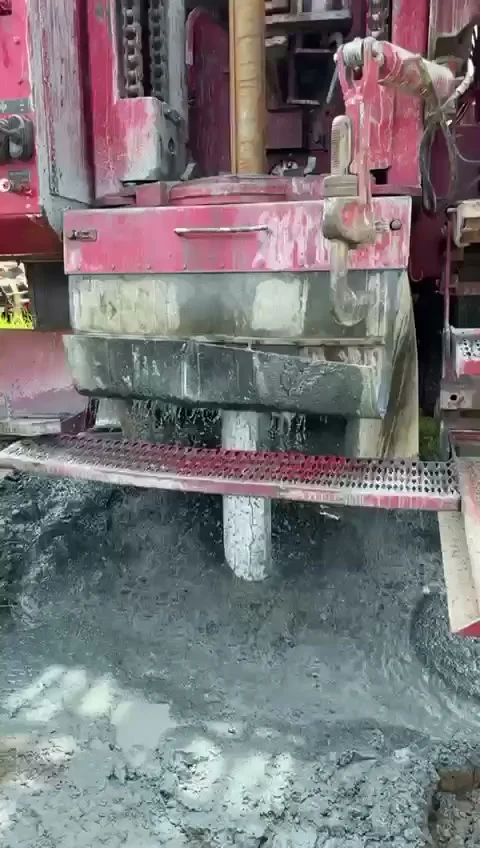
The rig in our photos sets up over an existing well for this work, not only for drilling. Rehabilitation is slower than it looks. Industry guidance says it usually takes more than one day, and often several. Plan on water from another source while the well is down, such as a hauled tank. Chemical cleaning also exists in the industry, where acids loosen deposits so they can be pumped out. We clean wells mechanically. Maryland rules put disinfection on whoever works on the well. The job ends with disinfecting the well and the plumbing.
Iron and manganese dissolve out of the rock and soil that groundwater moves through. They are nuisance minerals that stain clothes, sinks and fixtures. Typically neither one is a health risk in a household water supply. In the well they oxidize and settle as a crust on the casing and in the fractures. Bacteria feed on that iron and add a slime that holds the deposits together. The trade calls it biofouling, and it clogs well screens and pipes. Sediment is the other half of the problem. Fine sand and silt settle to the bottom and close off part of the water-bearing zone.
The symptoms tell you a lot about what is in the well. Iron shows up as rusty color, sediment, a metallic taste and orange staining. Manganese runs darker, with black staining and a bitter taste. Iron bacteria leave sticky slime on the inner walls of the toilet tank, often rust colored, sometimes grey. The smell that comes with them is swampy, oily or musty, and it is strongest after the water sits overnight. Water left standing in a clear glass often shows rust colored strands settling out. Cleaning takes the deposits out of the well. Iron that keeps arriving with the water needs iron and manganese filtration in the house.
Cleaning gives a well back what it had. It cannot make the rock hold more water than it holds. Much of Central Maryland sits in the Piedmont, where the bedrock is fractured. Wells here are typically drilled several hundred feet, and the lower part is left as open hole. Water reaches the well through those fractures, so Piedmont yields are usually low. Bedrock wells in Baltimore County typically make 1 to 15 gallons per minute. Maryland sets the floor for a new domestic well at 1 gallon per minute for 6 hours. When the rock itself makes too little water, hydrofracking the bedrock is the next step.
Some wells are past cleaning. Maryland rules cover a broken or unserviceable casing. It gets repaired and replaced, or the well is properly abandoned and sealed. The well record and what we find with the pump out tell us which way a well goes. A well worth cleaning gets the work and the proof. We run it after the flush and check what it makes against what it made before. A certified lab sample shows the water side of the same question. Estimates are free after a look at the property. Call (301) 393-7090 any hour. HydroWells is licensed through the Maryland State Board of Well Drillers.
Free, no-obligation estimates across central & western Maryland.
(301) 393-7090From the first look at the property to water proven at your tap, here is exactly how it goes.
We come see the actual situation — the well, the equipment, the water, the ground. What's failing, why, and what the fix really is. No blind quotes over the phone.
You get a free written estimate with a real number and a real plan. It says what's included — drilling, equipment, connection, permits — and it holds unless the scope changes.
The crew shows up with the right equipment and does the job the way we quoted it — drill, frack, pull the pump, set the tank, build the treatment. Anything unexpected, you hear about it immediately, not on the invoice.
We don't call it done until the water proves it: yield checked, pressure steady, system cycled, and testing when the job calls for it. Done means water at your tap — and you saying it's done.
Common questions about well cleaning across central & western Maryland. Don't see yours? Give us a call — we're happy to help.
High-pressure water injection that opens up the bedrock fractures feeding your well — often the fix for a low-yield or declining well.
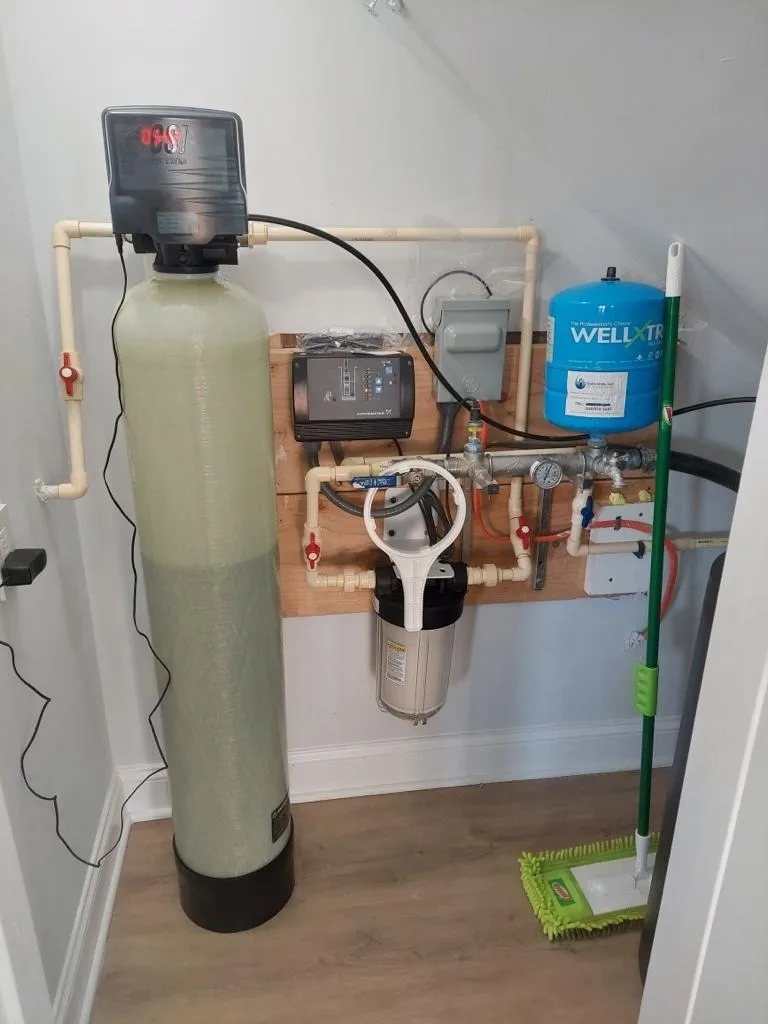
Softeners, UV disinfection, iron and sediment filters, acid neutralizers — treatment systems designed off your actual water, installed and serviced.
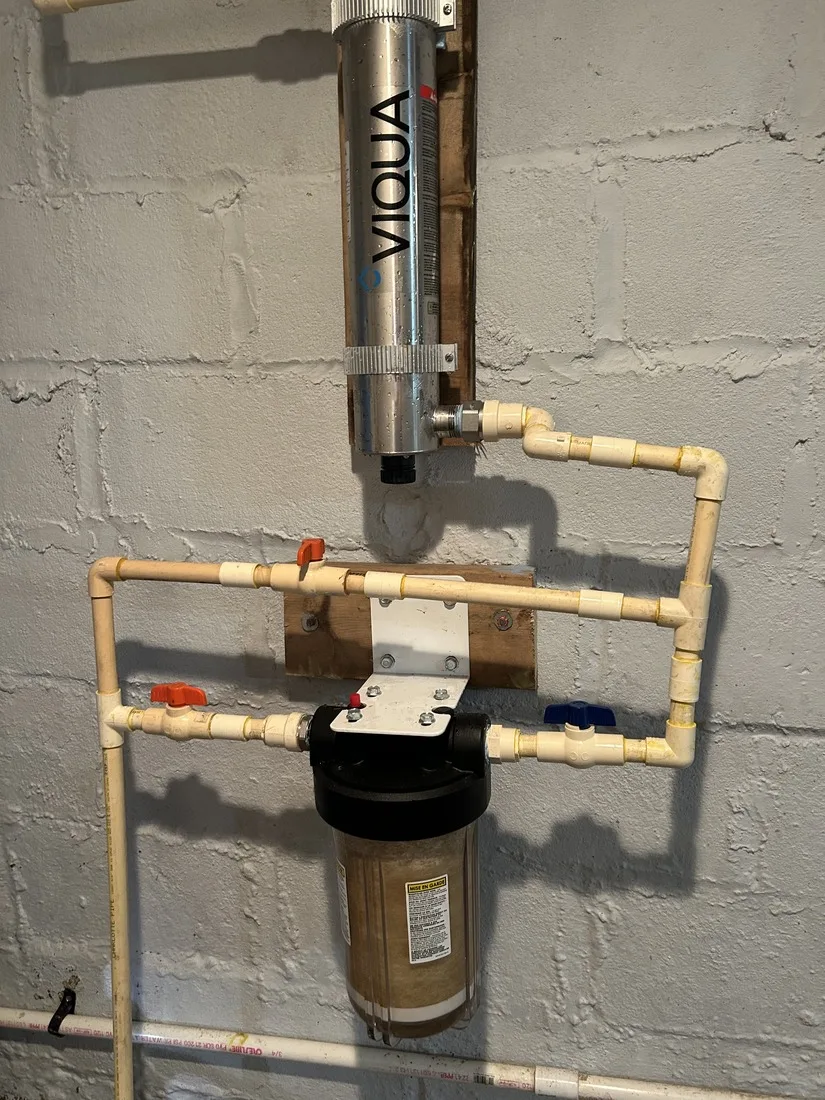
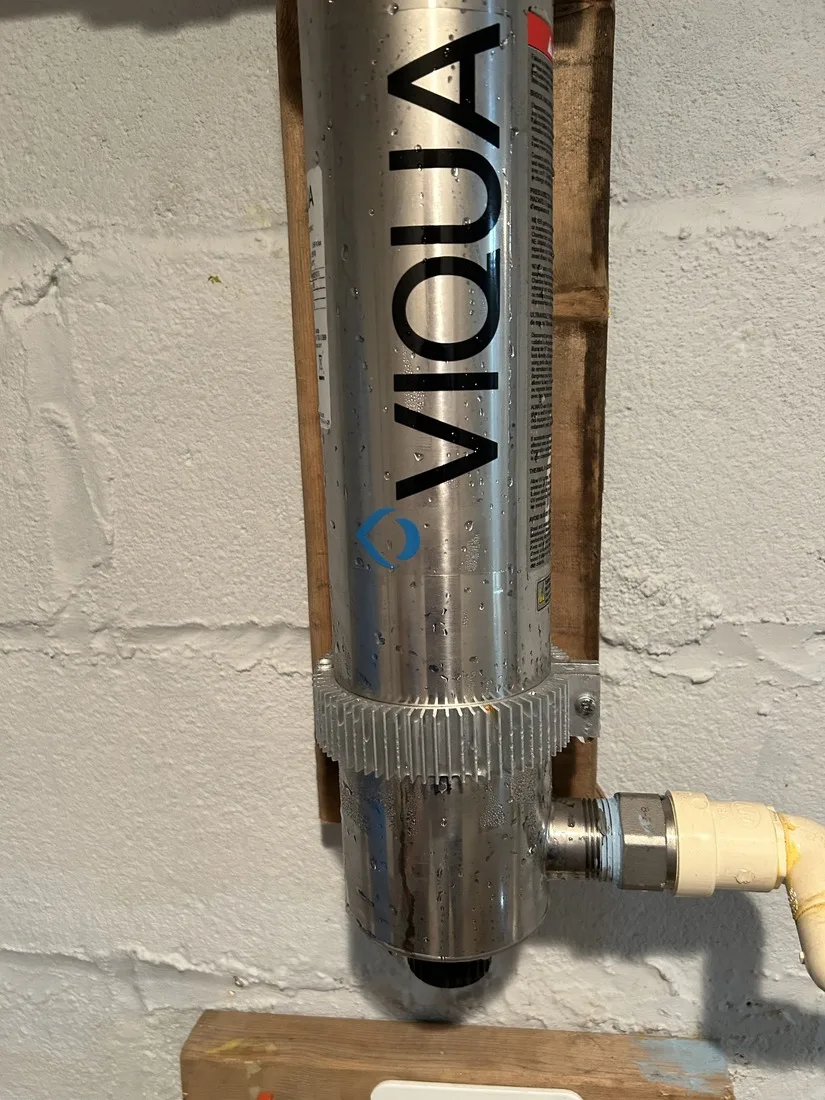
Shock chlorination and UV disinfection for Maryland wells that test positive for total coliform or E. coli. Retest comes after the chlorine clears.
Proper sampling and certified lab testing — for closings, FHA/VA and county requirements, or just knowing what your family is drinking.
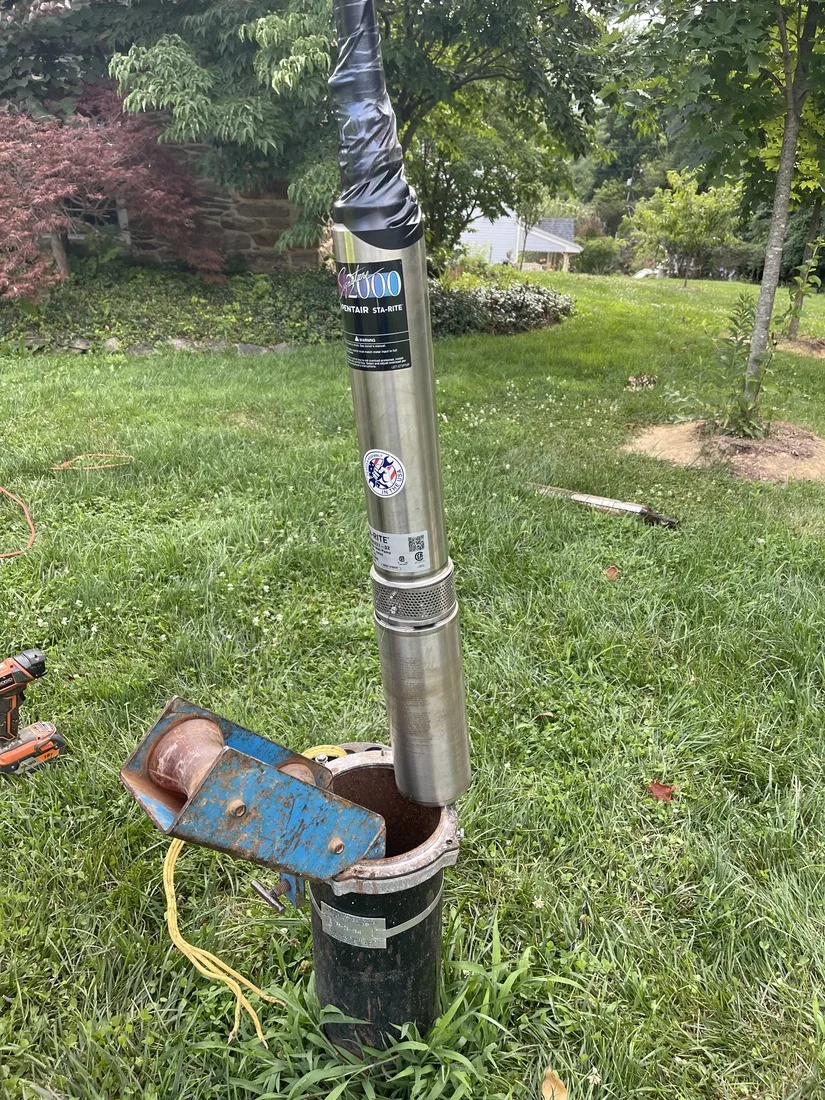
Submersible and jet pumps diagnosed, repaired and replaced — no-water calls, weak pressure, short cycling. Available 24/7.
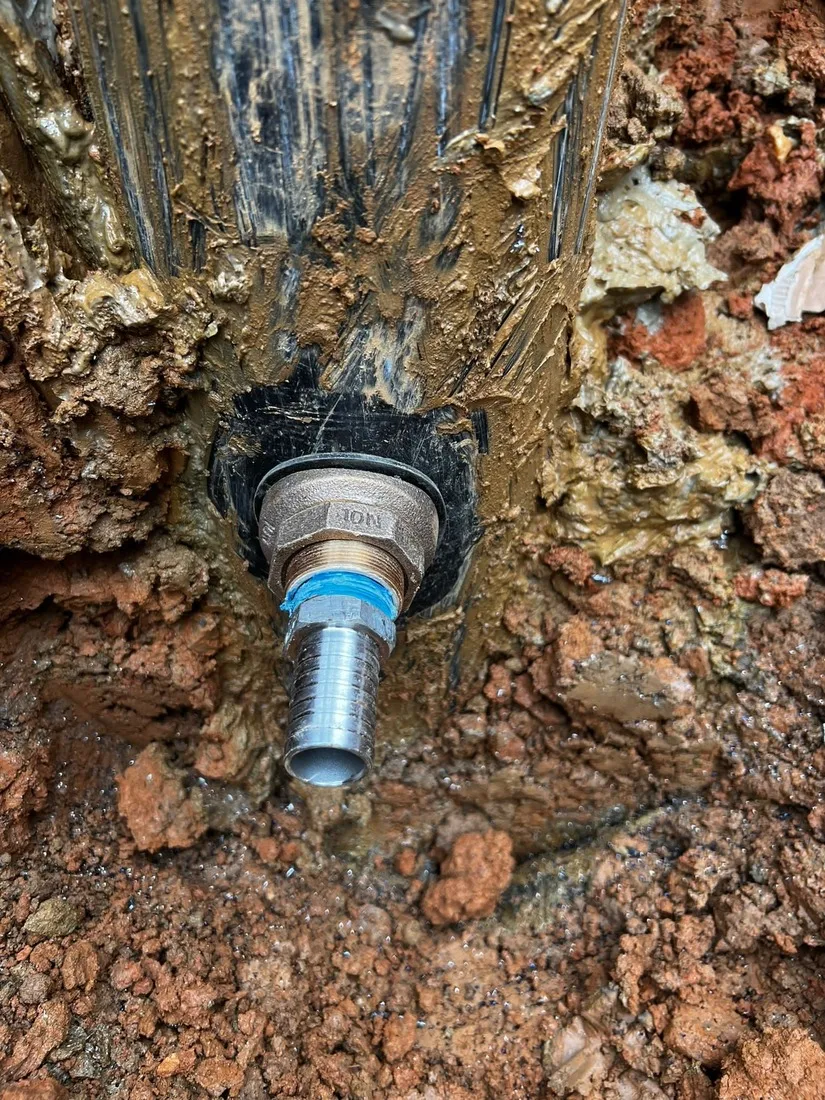
Complete well system checks — yield, pump performance, tank, wellhead condition and water quality — documented for home sales or your own peace of mind.
Drilling, hydrofracking, pumps, pressure tanks, testing, treatment — the rigs and the service trucks belong to the same outfit, so one call covers the whole system.
A house without water is an emergency, and we run the operation that way. Call day or night — phone triage is free, and if it needs a truck, a truck moves.
We look at the actual property, price it in writing, and tell you what is worth doing and what is not — including when hydrofracking beats drilling new. No phone guesses.
Based in Poolesville and Dickerson, working six counties. We know what this region’s fractured rock and limestone valleys do to wells — and we drill and service for it.
No water, weak pressure, a well to drill, water that needs testing or treatment? Call or send the form and we will look at the property with you and hand you a free written estimate — and for a house that is dry right now, we answer 24/7.
Tell us about your project — we’ll get right back to you.